Prepare for your first dietitian consultation in Patiala or online. Find out what to bring, which questions to ask and what arrangements to confirm.
You do not need to eat perfectly before meeting a dietitian. The first appointment is an opportunity to explain how food fits into your life, what concerns you have and what you would like help changing. Honest details about ordinary meals are more useful than an ideal menu written just for the appointment.
This guide explains how to prepare for a first dietitian consultation in Patiala or online. It describes common preparation steps, not a guaranteed session format or package. Confirm current arrangements with Dietitian Tamanna’s clinic when booking.
What happens at a first dietitian consultation
A first consultation commonly involves discussing your goals, medical background, food intake and daily routine, then agreeing on suitable next steps. The exact assessment and follow-up depend on the practitioner and your needs. Ask how the session works before booking, including what information to bring.
Dietitians Australia describes possible elements such as a nutritional assessment, personalised eating advice and counselling. Use this as background for your questions, then confirm the process and scope offered by the clinic you choose. Read what to expect when seeing a dietitian.
What should you prepare before the appointment
A preparation checklist to discuss with the clinic
|
Bring or note |
Why it may help |
What to confirm |
|
Your main questions and goals |
Keeps the discussion focused on your concerns |
Which concern you most want to address |
|
Current medicines and supplements |
Helps the practitioner understand relevant treatment |
Bring names or clear label photographs |
|
Existing relevant reports |
Provides context for advice |
Ask the clinic which reports are useful |
|
A usual day of food and drinks |
Shows the routine the plan must fit |
Include snacks, tea additions and weekends |
|
Work, sleep and cooking arrangements |
Makes practical barriers visible |
Who shops and cooks, and where you eat |
Do not arrange new tests simply because a blog mentions them. Bring existing information and ask what is needed for your case. Avoid sending sensitive records through an unfamiliar link; confirm the clinic’s preferred way to receive them.
How should you describe your usual meals
Write down a representative day in simple language. Include the approximate time, what you ate and the amount in household terms if you can. Note drinks and additions such as sugar in tea. If your weekend differs, add a separate example rather than trying to average everything into one day.
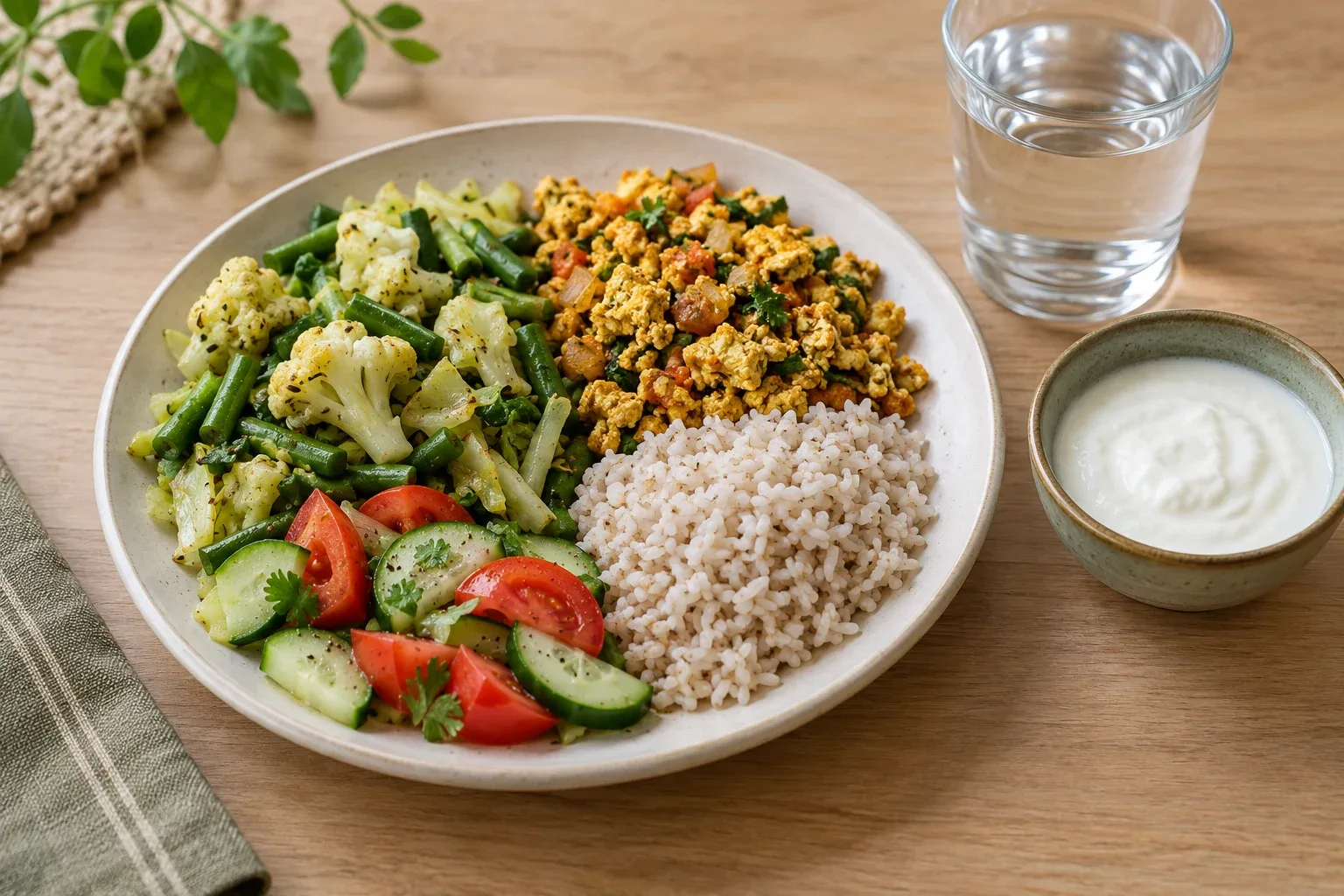
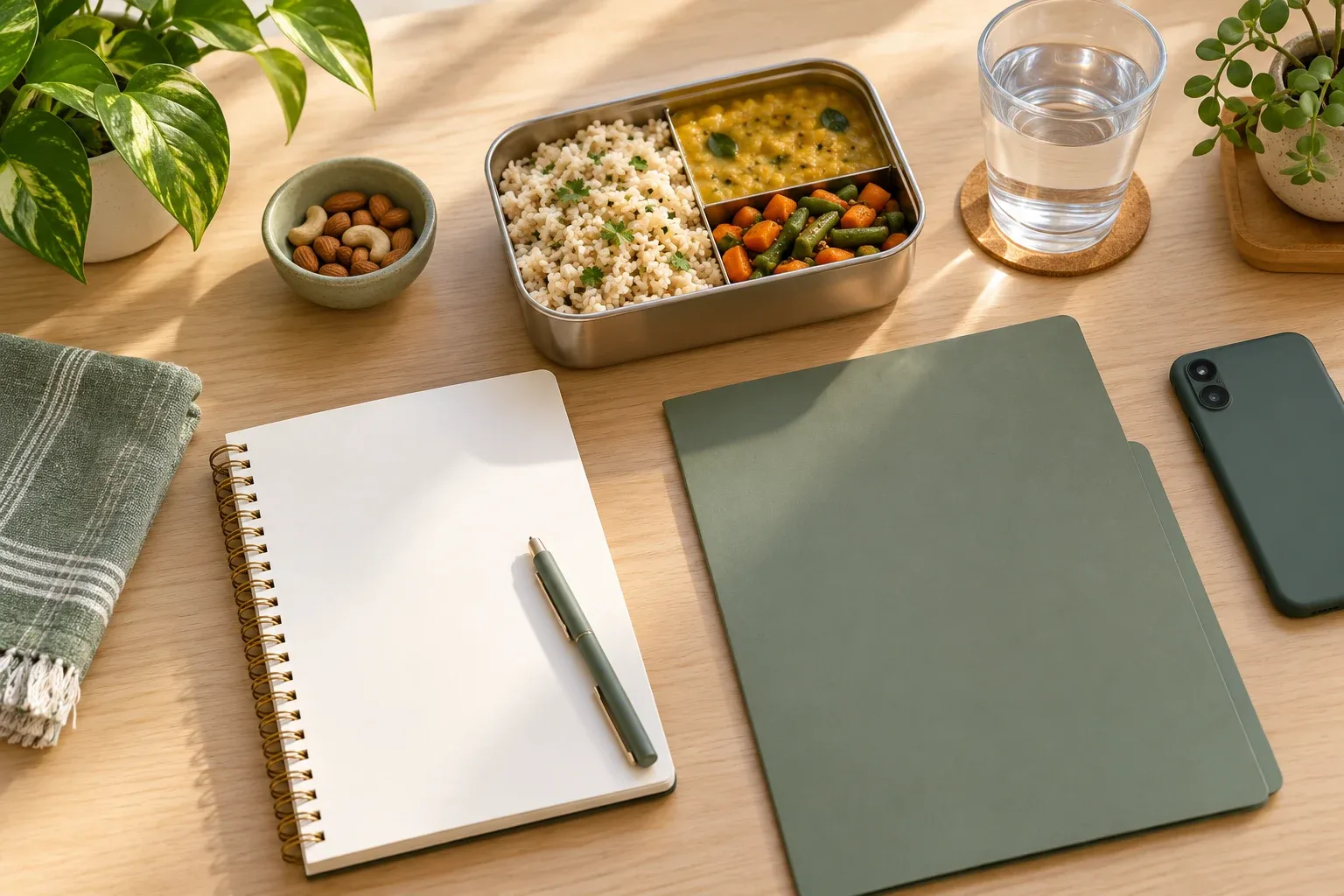
A photograph of a usual plate or tiffin may help if amounts are difficult to describe. Ask whether the clinic wants a food diary before preparing one.
Which questions are worth asking the dietitian
- What are the first changes you suggest and why
- How will the plan fit my family meals and work hours
- What alternatives can I use when a suggested food is unavailable
- What does the fee include and when are follow-ups
- How will progress be reviewed and what should I record
- Who should I contact if I have a question between appointments
The Academy of Nutrition and Dietetics describes medical nutrition therapy as individual nutrition care involving assessment, goals and a plan. This gives you a useful framework for asking how recommendations will be tailored and how progress will be reviewed. Read the Academy explanation.
How can you prepare for an online consultation
Check the appointment platform, timing and how the clinic will send confirmation. Use a quiet place with a reliable connection if possible, keep relevant information accessible and decide how you will take notes. Ask whether another household member may join if they help with cooking or shopping.
Also confirm how you will receive any written advice, whether a follow-up is included and how to share records. These arrangements can differ between programmes. The website lists online diet consultation options; contact the clinic for the current details.
What if you feel nervous or judged about food
Tell the practitioner what would make the discussion easier. You can explain that strict food rules have been difficult, that you do not want weight to be the only focus, or that tracking meals causes distress. A useful conversation starts with your circumstances rather than assuming why a routine has been hard to change.
Ask for the reason behind recommendations and discuss alternatives. You should leave knowing a practical next step. Ask how any advice involving another clinician will be coordinated.
What should you do after the first session
Summarise the agreed actions in your own words and check anything unclear. Choose the changes you will start with and note what you want to discuss at the next review. If the plan cannot fit your kitchen, budget or schedule, raise that promptly rather than waiting until you feel you have failed.
Nutrition advice does not authorise changes to prescribed medicines. If you have a medical concern, ask your treating clinician about the appropriate next step. A dietitian appointment is not a substitute for urgent medical assessment.
Frequently asked questions
Do I need a diagnosis before booking
People may seek nutrition support for different reasons. Explain your concern when booking so the clinic can advise whether the service fits your needs or whether a medical assessment should come first.
Will I receive a diet chart immediately
The format and timing of written advice vary. Ask what the first appointment includes and when any plan or follow-up material will be provided.
Should I buy supplements before the consultation
There is no need to buy a product just to prepare. Bring details of anything you already use and discuss whether it is appropriate for you.
Can someone who cooks for me attend
Ask the clinic before the appointment. Involving a household member may be useful where you want their help implementing the agreed changes.
Take the first step with clear expectations
Read about Dt. Tamanna Aggarwal, prepare your main questions and ask about a first consultation in Patiala or online. Confirm fees, format and follow-up arrangements before booking.
Sources
This article is for general education and is not a substitute for personal medical advice. Please consult your doctor before changing your diet if you have a medical condition.