
Irregular, delayed or missed periods.
PCOS & PCOD Diet Plan
PCOS and PCOD Diet Plan for Weight, Cycles and Insulin Resistance
Personalized Indian nutrition for women who want clearer food guidance, better metabolic health and a plan that fits real life—not another restrictive chart copied from the internet.
PCOS can make eating feel confusing. One person tells you to stop dairy, another removes gluten, and someone else says rice, fruit and every familiar carbohydrate must disappear. The result is often a plan that looks disciplined for a week and becomes impossible to continue.
Dt. Tamanna Aggarwal takes a more practical approach. Your PCOS or PCOD diet plan is built around your symptoms, medical history, reports, medication, food preferences and daily routine—no crash diets, no compulsory powders and no promise to ‘cure’ PCOS.

PCOS Nutrition Support
clinic and online
Quick Answer
A PCOS diet plan is a personalized eating strategy that supports metabolic health, steady energy, weight management where appropriate and long-term symptom management. There is no single diet proven to be best for every person with PCOS; guidance should be individualized around your preferences and goals.
Common Concerns
Signs That Often Bring Women to a PCOS Nutrition Consultation
Symptoms vary, and having one symptom does not confirm PCOS. A diagnosis should always come from an appropriately qualified medical professional.
Weight gain or difficulty losing weight despite repeated dieting.
Frequent cravings, energy crashes or signs of impaired glucose regulation.
Acne, oily skin or increased facial and body hair.
Hair thinning or increased hair fall.
High cholesterol, prediabetes or a family history of type 2 diabetes.
Fertility concerns or preparation for pregnancy.
Confusion about what to eat after a new PCOS diagnosis.
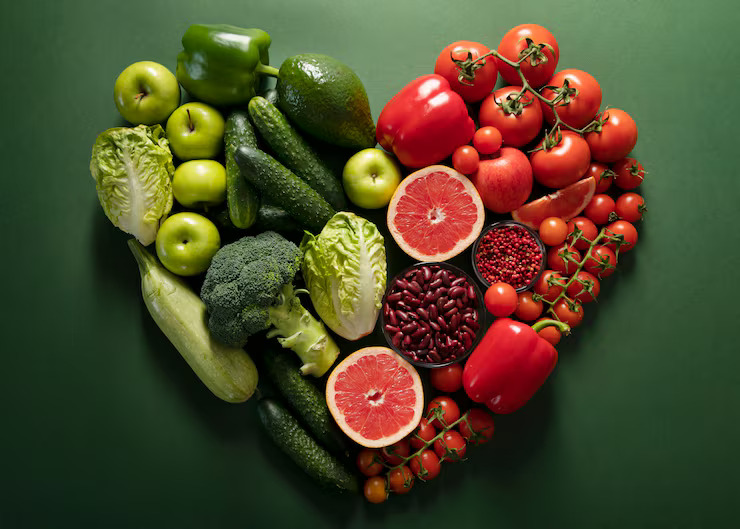
Why Food Matters
Why Food and Lifestyle Matter in PCOS
PCOS affects reproductive, hormonal and metabolic health. Insulin resistance is an important feature for many—but not all—people with PCOS, so meal structure, food quality, movement, sleep and weight management can be useful parts of a broader treatment plan.
The objective is not to chase a fashionable ‘hormone detox.’ It is to make everyday meals more balanced, reduce patterns that repeatedly leave you hungry or tired, and build a routine that supports your individual goals.
Our Approach
What Makes This PCOS Diet Plan Different
Indian food first: dal, roti, rice, curd, paneer and regional foods planned intelligently, not automatically removed.
Personalized after assessment: the plan reflects your reports, symptoms, work hours, kitchen and preferences.
Weight-neutral when appropriate: women in smaller bodies can also have PCOS, so weight loss is never assumed.
No fear-based food rules: restrictions are used only when relevant, not because a food is trending online.
Behaviour support: follow-ups address cravings, inconsistency, eating outside, sleep and family meals.
Medical boundaries: the plan supports prescribed treatment and never asks you to stop medicine.
The Indian Plate
What to Eat for PCOS: The Practical Indian Plate
There is no mandatory PCOS menu, but many meals become more satisfying when protein (dal, chana, rajma, paneer, curd, eggs), high-fibre vegetables, an individualized carbohydrate portion (roti, rice, poha, millet) and supportive fats are planned together.
Roti does not need to disappear; its portion and pairing can be adjusted. Depending on your goals, it may help to reduce sugary beverages, refined snacks and repeated deep-fried meals—without creating a forbidden-food list. Gluten and dairy do not need to be removed without a clear reason.
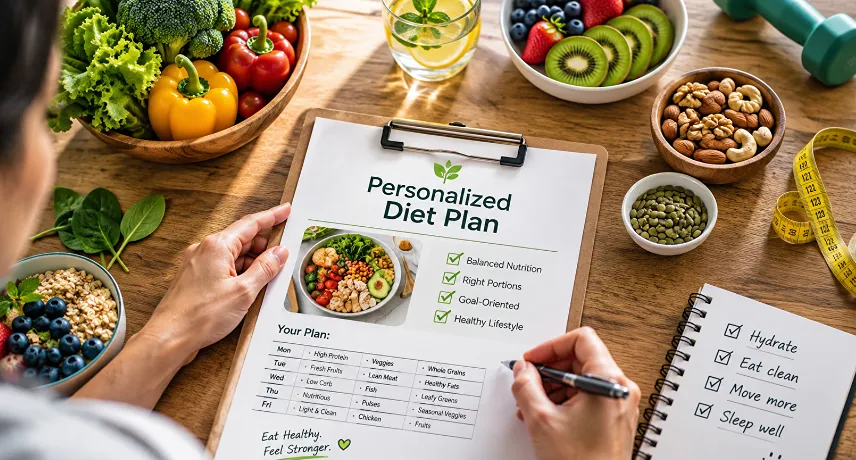
Not Sure Where to Start?
PCOS Nutrition for Weight, Cycles, Acne and Hair Concerns
Nutrition can support overall metabolic health, but it cannot promise a specific cycle date, clear acne, hair regrowth or a guaranteed number of kilograms lost. These symptoms can have several causes and may need medical or dermatological treatment. The program focuses on adequate nourishment and consistent eating while you continue appropriate clinical care with your gynaecologist or endocrinologist.
How It Works
Your Personalized PCOS Nutrition Program
01
Detailed Assessment
Your diagnosis, symptoms, menstrual pattern, reports, medicines, digestion, sleep, stress and food preferences.
02
Written Indian Diet Plan
Structured meal options, portions, timings, substitutions and eating-out guidance for your household.
03
Progress Markers
Markers chosen for your goals—meal consistency, energy, hunger, waist and laboratory values from your medical team.
04
Follow-Up Corrections
Reviews that identify what worked and adjust the plan as your routine, symptoms or reports change.
05
Accountability & Support
Ongoing help with substitutions, social meals and day-to-day implementation through your program.
Clinic in Patiala or Online Consultation
Visit the Patiala clinic at Puri Market near 22 No. Phatak, or consult online from Chandigarh, Ludhiana, Jalandhar, Mohali, Amritsar and elsewhere.
Online patients can share reports before the appointment, attend by video or phone and receive the written plan digitally.
In-clinic
Visit the Patiala clinic
SCF-27, Puri Market, Near 22 No. Phatak, Patiala, Punjab 147001
Book a Consultation
Online
Consult from anywhere
Chandigarh, Ludhiana, Jalandhar, Mohali, Amritsar and elsewhere.
Learn MoreWhat Our Patients Say
FAQ
Frequently Asked Questions
PCOS is a long-term condition and there is no responsible guarantee of reversal or cure. Healthy eating, activity, weight management when appropriate and medical treatment can help manage symptoms and long-term health risks. Individual outcomes vary.
There is no single best diet for everyone with PCOS. A useful plan provides balanced meals, enough protein and fibre, suitable carbohydrate portions and an approach you can sustain with your preferences and medical needs.
No. Both can often remain in a PCOS plan. Portion, frequency and pairing with protein, fibre and vegetables are usually more useful than a universal ban.
Not automatically. Remove foods only when there is a relevant diagnosis, intolerance or clearly identified individual reason.
Lifestyle changes may support symptom management, but cycle response varies and irregular periods require appropriate medical evaluation.
Yes, many women with PCOS can lose weight with individualized, ongoing support that considers hunger, health, preferences and activity.
Supplements are not automatically required. Their suitability, dose and interaction with medication should be reviewed by a qualified professional; the main approach here is food first.
Yes, nutrition support can work alongside prescribed treatment. Do not change or stop medication without the prescribing clinician’s advice.
Yes. Share relevant reports before the appointment and receive the written plan and scheduled follow-ups remotely.
Book a Consultation
Call or WhatsApp +91 75081 53961 to request a clinic or online consultation with Dt. Tamanna Aggarwal.
Medical disclaimer: This page provides general nutrition information and does not diagnose, cure or treat PCOS. Individual plans should be coordinated with your treating healthcare professionals. Do not stop or change prescribed medication without medical advice.